
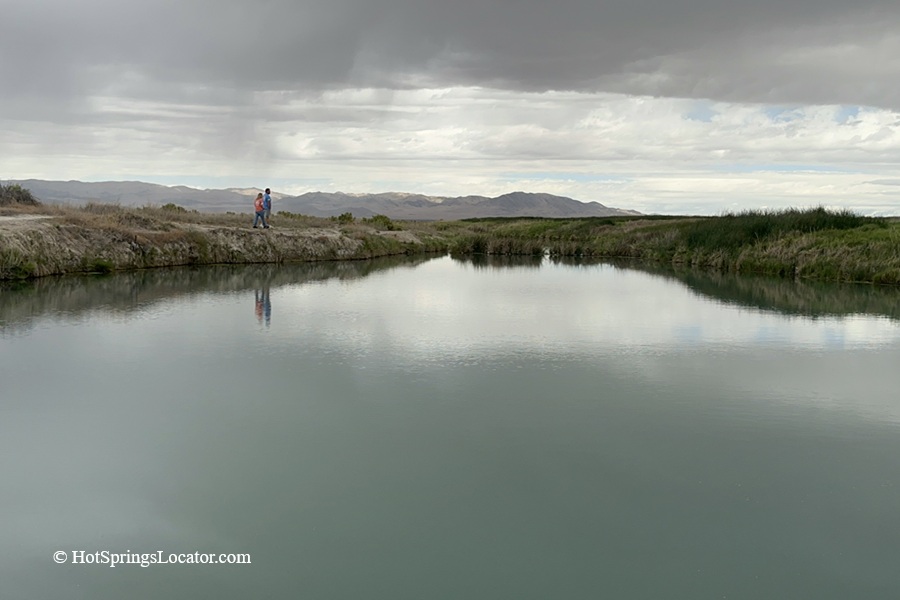
Horseshoe Springs is known for its history, unique spring landscape, and wildlife - not as a soaking destination
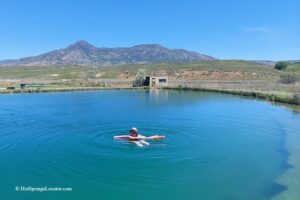
Horseshoe Springs is a warm-spring and historic site in Skull Valley, Tooele County, west of Salt Lake City.
The Bureau of Land Management manages Horseshoe Springs as a Wildlife Management Area. The springs provide important riparian, wetland, and fisheries habitat for wildlife.
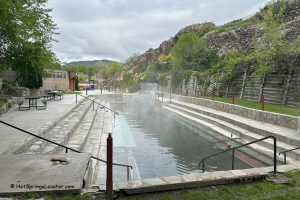
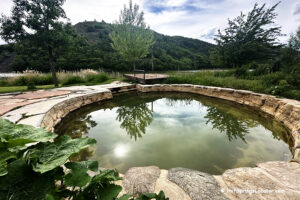
A short, easy walk leads around the springs, with views of the water and surrounding wetland.
There are no restrooms or overnight camping facilities at the springs.
🔵 Mosquitoes, flies, and other insects can be common around wetland areas, especially in summer. Consider bringing insect repellent if you visit during the warmer months.
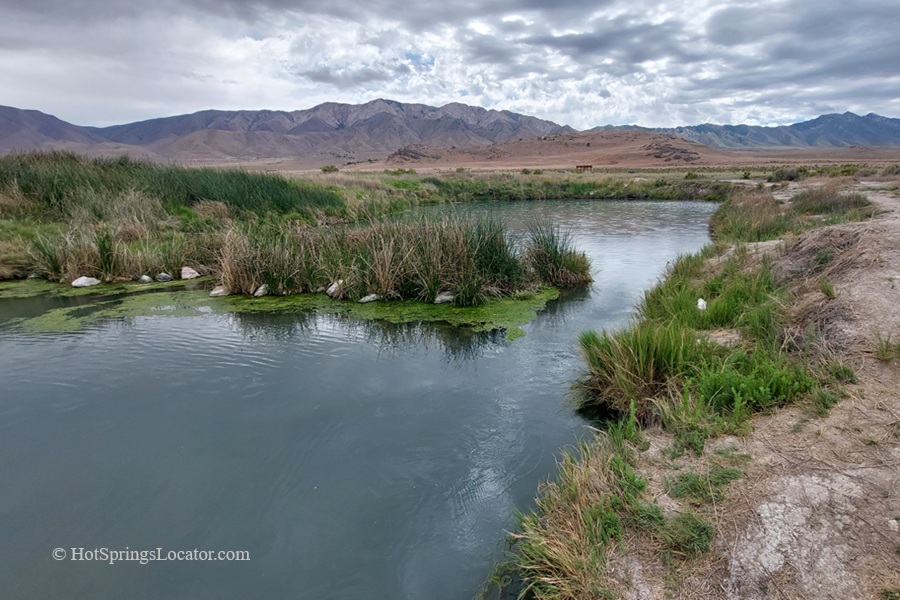
Horseshoe Springs Water
Two large springs come together to form a horseshoe shape, giving the site its name. The water is around 70°F (21°C), making it warm rather than hot. This is not a soaking hot spring.
Swimming has been reported at Horseshoe Springs in the past, but the BLM does not currently list swimming among the activities at the site. If you are considering entering the water, check with the BLM for current rules and conditions.
Fishing, hiking, wildlife viewing, photography, and environmental education are among the activities available here.
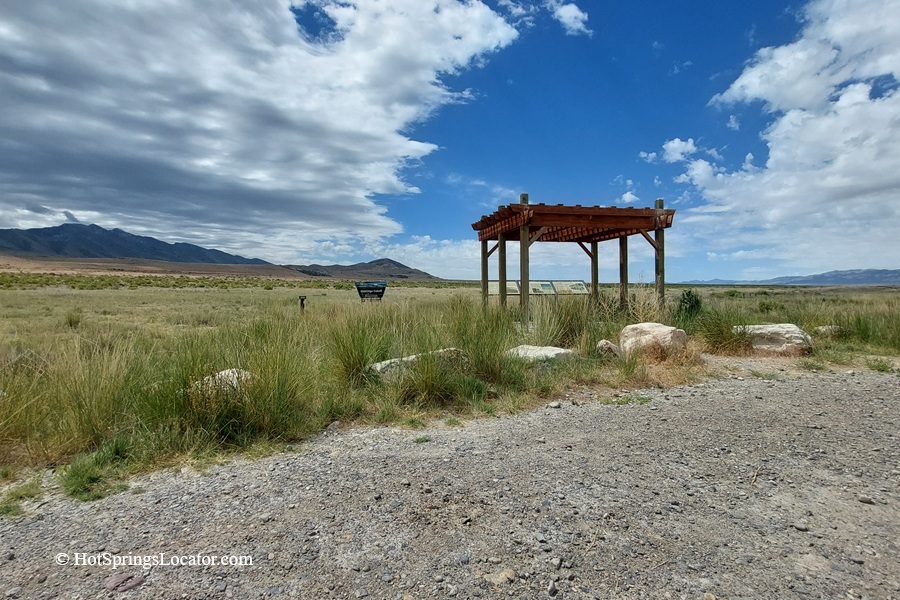
Horseshoe Springs History
The springs also have an important history. The area was used extensively by local Goshute people long before emigrants traveled through the region.
In 1827, explorer Jedediah Smith visited the springs while returning from California. In 1846, Horseshoe Springs became a stopping point along the Hastings Cutoff emigrant route.
The Donner-Reed Party also passed through the area during its westward journey. Horseshoe Springs is a historic site on the California National Historic Trail.
A visitor kiosk and interpretive displays provide information about the area's natural and historic features.
Horseshoe Springs | Facts
Location: 50 miles west of Salt Lake City • Skull Valley • Tooele County • Northern Utah • USA
Open: Year-round, day use only
Development: Primitive, kiosk and boardwalk
Clothing: Required
Amenities: Visitor kiosk, boardwalk, interpretive display (no restrooms, no potable water)
Hiking distance: Short
Road access: Paved UT-196 plus short dirt spur (any vehicle in dry conditions)
Day-use fees: None
Managed by: Bureau of Land Management (BLM)
Elevation: 4,200 ft (1,280 m)
Water T° (pools): 70°F (21°C)
Odor: None
More Adventures
Directions to Horseshoe Springs
From Salt Lake City,
- Head west on I-80 for about 40 miles and take Exit 77 (Rowley / Dugway / Iosepa)
- Turn south on UT-196 and drive roughly 10 miles to the signed turnoff near milepost 27
- Follow the short dirt road east to the small parking area at the springs.
The dirt spur is short and usually fine for any car in dry weather, but it turns soft and rutted after rain or snowmelt. Skull Valley has no gas, no water, and no services, so fill up before you exit the freeway.